


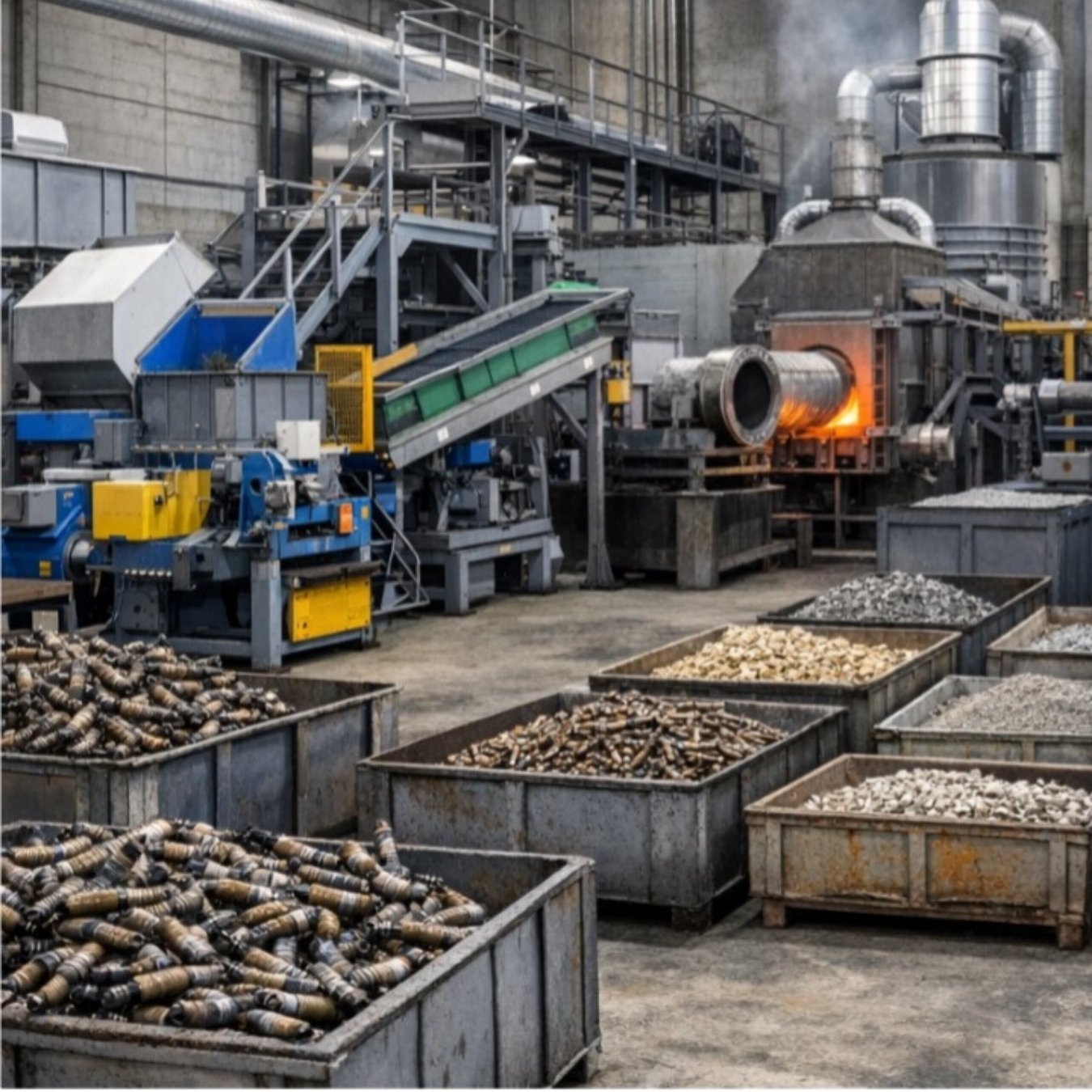
Oxygen sensors play a critical role across a wide range of industrial applications, including combustion control systems, furnaces, boilers, inerting processes, chemical reactors, wastewater treatment plants, and packaging lines. By continuously monitoring oxygen concentration, these sensors ensure process efficiency, product quality, operational safety, and compliance with environmental regulations.
Depending on application requirements, different oxygen sensor technologies are employed, such as electrochemical, zirconia-based, paramagnetic, and optical oxygen sensors. Each technology offers distinct advantages in terms of measurement range, accuracy, response time, and operating conditions. Zirconia-based and paramagnetic oxygen sensors are generally designed for long-term use, with operational lifetimes of five to ten years or more. In contrast, electrochemical oxygen sensors typically have shorter service lives of one to two years due to electrolyte consumption and process conditions.

Oxygen sensors are manufactured using advanced material processing and precision assembly techniques. These include the sintering of zirconium dioxide ceramic elements with platinum electrodes for high-temperature environments, the controlled assembly of sealed electrochemical cells, and the integration of optical or magnetic components for high-accuracy measurement. As industrial automation, energy efficiency targets, and sustainability requirements continue to increase, oxygen sensors have become indispensable components for modern industrial operations.
Despite their technical value, end-of-life oxygen sensors are frequently disposed of as electronic waste once they reach the end of their operational life. This practice overlooks the fact that these sensors still contain valuable metals, engineered ceramics, and reusable components. With tightening sustainability regulations and rising material costs, uncontrolled disposal represents both an environmental liability and a lost economic opportunity. Oxygen sensor recycling offers a sustainable and economically viable alternative by converting used sensors into recoverable industrial resources.
Recycling Potential by Oxygen Sensor Technology
The recycling potential of oxygen sensors varies depending on their technology and operating conditions.
- Zirconia-based oxygen sensors contain ceramic elements, metal housings, and noble metal electrodes, offering high recovery potential through material separation and refining.
- Paramagnetic oxygen sensors are built with robust mechanical and electronic components that are suitable for refurbishment or material recovery.
- Electrochemical oxygen sensors present greater challenges due to electrolyte depletion; however, their housings, connectors, and selected internal components remain recyclable.
- Disposable medical oxygen sensors are subject to stricter regulatory requirements and are generally less suitable for refurbishment, although material recovery may still be feasible under controlled conditions.
Understanding these technological differences is essential for designing safe, efficient, and compliant oxygen sensor recycling strategies.
Commercial and Environmental Benefits of Oxygen Sensor Recycling
Implementing oxygen sensor recycling solutions delivers significant environmental and commercial advantages for industrial operators. Recycling reduces electronic waste generation and landfill disposal, enables the recovery of valuable metals and engineered materials, and lowers replacement and lifecycle costs. In addition, it supports corporate sustainability strategies, ESG objectives, and regulatory compliance. Beyond environmental responsibility, oxygen sensor recycling contributes to long-term operational efficiency, resource optimization, and supply chain resilience.
Process-Oriented Oxygen Sensor Recycling by Proses Makina
Proses Makina has developed a process-oriented, multi-stage oxygen sensor recycling system designed to ensure safe handling, efficient material separation, and maximum recovery of valuable components from end-of-life oxygen sensors. The process integrates mechanical, physical, and optional chemical or thermal preparation stages, tailored to sensor type and material composition.


Proses Makina is an organization with international certificates. The company is originating in Turkey. It manufactures machines for the recovery of precious metals.
About usGet in touch
Gökevler Mah. 2330 Sok. No:6B Esenyurt/Istanbul/TürkiyeQuick links
2026 Proses Makina. All rights reserved.