


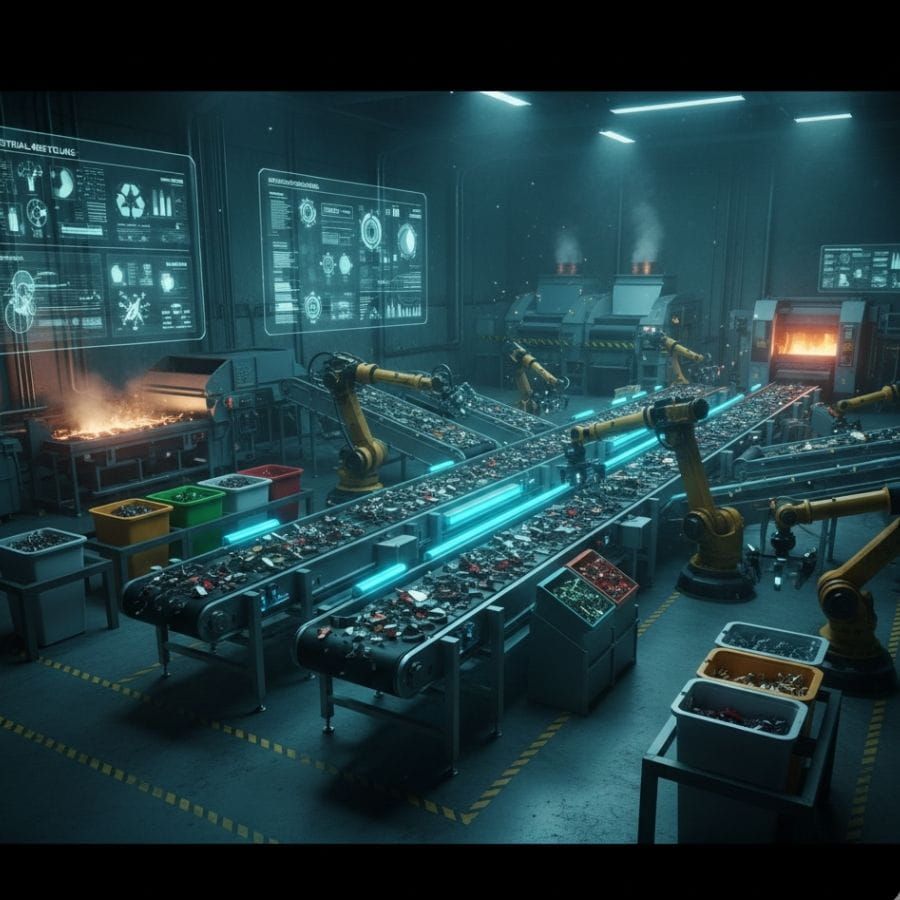
Discover common problems and solutions in industrial recycling, addressing challenges faced by businesses today. Learn how to tackle issues like contamination of recyclable materials and the lack of proper sorting systems efficiently.
This article delves into inadequate recycling education, challenges with industrial waste management, and the limited availability of recycling facilities. Explore the need for improved recycling policies and how these solutions can drive sustainable practices in industrial recycling.
Contamination of Recyclable Materials
When it comes to Common Problems and Solutions in Industrial Recycling, one significant issue that plagues the process is the contamination of recyclable materials. Contamination occurs when non-recyclable items are mixed in with recyclables, rendering the entire batch unsuitable for processing.
Contamination poses a serious challenge for recycling facilities as it hinders the efficiency of the recycling process and can lead to increased costs. Contaminated materials can result in lower-quality recycled products, impacting the overall sustainability goals of industrial recycling programs.
One of the primary causes of contamination is the lack of awareness among individuals and businesses regarding proper recycling practices. Without clear guidelines and education on what can and cannot be recycled, the chances of contamination in recycling streams significantly increase.
To address the issue of contamination, it is crucial for both authorities and the public to work together in implementing better sorting systems and providing comprehensive recycling education. By enhancing awareness and streamlining the recycling process, the quality of recyclable materials can be improved, leading to more effective industrial recycling practices.
Combating contamination in recyclable materials is essential for the success of industrial recycling initiatives. By tackling this issue head-on and implementing robust solutions, such as improved sorting systems and enhanced education, the industry can move towards a more sustainable and efficient recycling ecosystem.
Lack of Proper Sorting Systems
One common challenge in industrial recycling is the lack of proper sorting systems. Without efficient mechanisms in place, recyclable materials often get mixed up, leading to contamination and decreased recycling rates. Effective sorting systems are crucial for ensuring that different materials are separated correctly to maintain their value in the recycling process.
The absence of adequate sorting systems can result in increased processing costs and inefficiencies for recycling facilities. Investing in advanced sorting technologies can streamline the recycling process, improve material purity, and enhance overall recycling productivity in the industrial sector.
Addressing the issue of improper sorting systems requires collaboration between recycling facilities, manufacturers, and policymakers. By implementing standardized sorting protocols and utilizing innovative sorting equipment, the industry can overcome this challenge and optimize the recycling process for maximum environmental and economic benefits.
Inadequate Recycling Education
One common challenge in industrial recycling is the lack of adequate education on proper recycling practices. Without proper education, employees may unknowingly contaminate recyclable materials, leading to increased waste and reduced recycling efficiency. Training programs and workshops can help bridge this gap and improve overall recycling efforts.
Improving recycling knowledge among staff members is crucial for successful industrial recycling programs. By providing comprehensive education on waste separation, recycling procedures, and the importance of sustainability, companies can empower their employees to make informed decisions that positively impact the environment. Investing in educational resources is a proactive solution to address this issue.
Partnerships with educational institutions and environmental organizations can further enhance recycling education in the industrial sector. Collaborative initiatives can offer valuable insights, resources, and training opportunities to improve recycling practices and promote a culture of sustainability within the industry. By working together, stakeholders can address the challenges of inadequate recycling education and drive positive change in industrial recycling processes.
Challenges with Industrial Waste Management
Industrial waste management poses several challenges that need to be addressed for effective recycling practices. One common issue is the lack of investment in advanced recycling technologies, hindering the efficient processing of industrial waste.
The complexity of industrial waste streams adds another layer of difficulty, requiring specialized knowledge and equipment for proper handling. Without adequate resources and expertise, companies may struggle to manage their waste effectively.
The regulatory landscape surrounding industrial waste management can be convoluted, leading to compliance issues and potential fines for non-compliance. It is crucial for businesses to stay abreast of evolving regulations to avoid legal repercussions.
The lack of transparency in the industrial waste management process can impede efforts towards sustainable practices. Clear communication and reporting mechanisms are essential to track progress and identify areas for improvement.
Addressing the challenges associated with industrial waste management requires a multi-faceted approach that involves investment in technology, specialized knowledge, regulatory compliance, and transparent communication. By overcoming these hurdles, businesses can enhance their recycling efforts and contribute to a more sustainable future.
Limited Availability of Recycling Facilities
One of the significant challenges in industrial recycling is the limited availability of recycling facilities. Companies often struggle to find nearby facilities equipped to handle their specific recycling needs. This can lead to transportation issues and increased costs for businesses.
Moreover, limited recycling facilities can result in a backlog of recyclable materials at industrial sites, affecting operational efficiency. Without proper facilities in place, companies may resort to landfill disposal, which goes against their sustainability goals.
Addressing this issue requires collaboration between businesses, government entities, and recycling facilities to expand infrastructure. By investing in more recycling facilities and improving accessibility, the recycling process can be streamlined and made more cost-effective for all parties involved.
Increasing the availability of recycling facilities is essential for promoting sustainable practices in the industrial sector. By overcoming this challenge, businesses can enhance their environmental performance and contribute to a more circular economy.
Need for Improved Recycling Policies
As we delve deeper into the realm of industrial recycling, it becomes evident that improved recycling policies are crucial for sustainable waste management. These policies serve as the backbone for efficient recycling practices and play a pivotal role in addressing environmental concerns.
By implementing comprehensive recycling policies, industries can streamline their waste management processes and minimize their ecological footprint. These policies provide a framework for proper waste segregation, recycling infrastructure development, and adherence to environmental regulations.
enhanced recycling policies can foster innovation in recycling technologies and promote the circular economy model. By incentivizing sustainable practices and responsible waste disposal, these policies pave the way for a greener and more sustainable future.
The adoption of robust recycling policies is imperative to tackle the challenges posed by industrial recycling. Through collaboration between industries, policymakers, and environmental experts, we can work towards creating a more efficient and environmentally conscious recycling ecosystem.